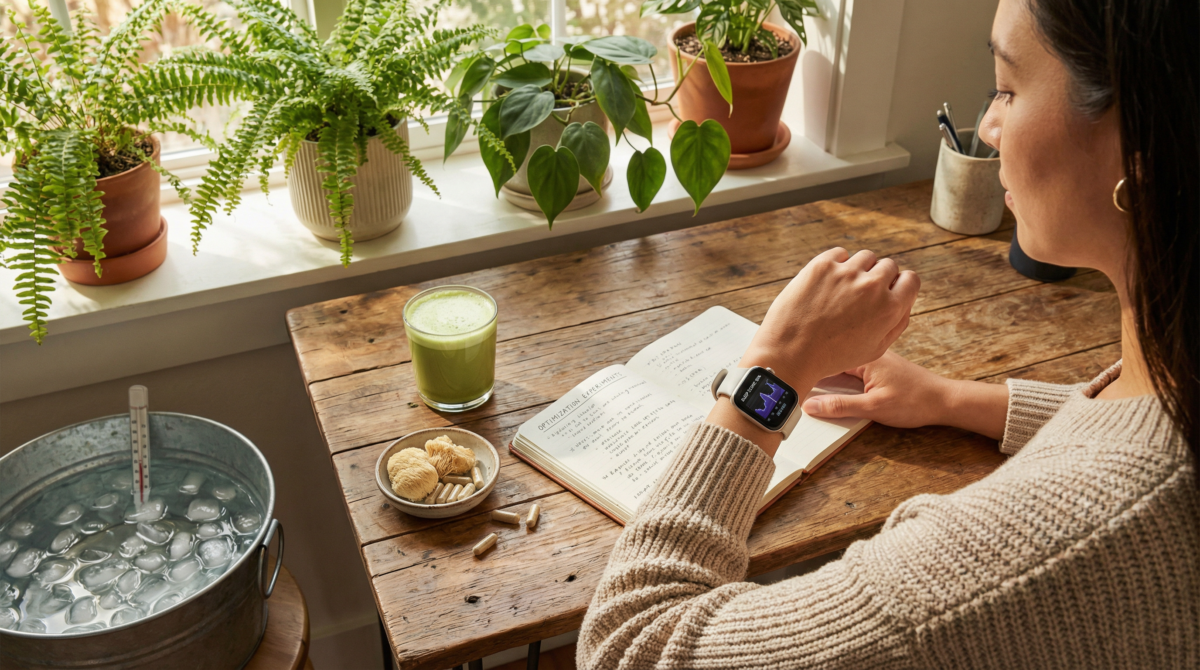
Biohacking Techniques That Actually Work: My Journey to Optimized Health and Longevity
So, biohacking. It’s one of those buzzwords floating around health forums and podcasts, but honestly—what does it even mean? For me, biohacking is about taking control of my biology with a pinch of science, a dash of experimentation, and a whole lot of curiosity. Over the past couple of years, I’ve dabbled in everything from intermittent fasting to wearable tech, and let me tell you—some hacks blew my mind, others fizzled out faster than my morning espresso.
The DIY Biology Playground: What is Biohacking, Really?
At its core, biohacking is about optimizing your body and mind to perform their best. It’s not just about popping a nootropic pill or wearing a fancy watch—it’s a lifestyle, a mindset. Think of it as your personal lab where you’re both the scientist and the subject.
From tweaking your diet and sleep to using advanced tech or supplements, biohacking covers a wide spectrum. Some do it to improve cognitive function, others to boost longevity, and a few to find relief from chronic ailments. I fall somewhere in the middle: chasing vitality without turning into a mad scientist.
My Top Tried-and-True Biohacking Techniques
1. Intermittent Fasting: More Than Just Skipping Breakfast
Confession time: I hated skipping meals at first. But once I gave intermittent fasting a solid three-month run, I realized why it has such a cult following. My energy stabilized, my late-afternoon brain fog vanished, and—bonus—I lost some stubborn belly fat without feeling like I was starving.
Here’s the thing though: it’s not just about skipping food. It’s about when and how you eat. I personally stuck with the 16:8 method, fasting for 16 hours and eating within an 8-hour window. The key was consistency and listening to my body. On days when I felt drained, I’d ease off. No biohacking should feel like punishment.
2. Sleep Tracking and Optimization: My Nighttime Revelation
Until recently, I thought I was a pretty good sleeper—7 hours, lights out, done. Turns out, quality beats quantity. Enter wearable sleep trackers. I tested a handful (more on that in a bit) and discovered I was waking up multiple times per night, never reaching deep REM cycles consistently.
So, I started implementing small changes: blackout curtains, ditching screens an hour before bed, and experimenting with magnesium supplements. Within weeks, my mornings felt less like a zombie apocalypse and more like a peaceful sunrise. Honestly, it surprised me how much shifting a few habits could reboot my entire day.
3. Nootropics: The Smart Supplements
Now, this is where it gets interesting—and a little controversial. I’ve tried a few nootropic stacks, from caffeine+l-theanine combos (which I swear by) to more exotic blends promising laser-focused concentration. My favorite? A simple, clean formula with lion’s mane mushroom and Bacopa monnieri (both backed by studies showing cognitive benefits [PMC – National Library of Medicine, 2023]).
Fair warning: nootropics aren’t magic pills. They’re more like fine-tuning your mental engine. I noticed better clarity during work marathons but also realized rest and hydration are just as important.
Gadgets and Gizmos: Where Tech Meets Biology
Being a bit of a tech nerd, I couldn’t resist biohacking with gadgets. From continuous glucose monitors (CGMs) to heart rate variability (HRV) apps, I sampled plenty—each with its own perks and quirks.
| Gadget | Main Feature | Pros | Cons | Price Range |
|---|---|---|---|---|
| Whoop Strap 4.0 | HRV, sleep tracking, recovery insights | Detailed analytics, comfortable, good battery life | Subscription model can be pricey, occasional sync issues | ~$30/month subscription |
| Oura Ring Generation 3 | Sleep staging, temperature, HRV | Discreet, accurate, great app | Higher upfront cost, sizing hassles | $299-$399 one-time |
| Dexcom G6 CGM | Continuous glucose monitoring | Real-time glucose tracking, useful for diet optimization | Medical device requiring prescription, cost, sensor replacements | $300+ monthly (insurance varies) |
| Fitbit Charge 5 | Heart rate, sleep, SpO2 | Affordable, user-friendly, integrated GPS | Less advanced HRV data, basic analytics | $150 one-time |
Out of all these, the Oura Ring was my favorite—not just because it looks like a sleek piece of jewelry but because its sleep insights nudged me to improve habits I didn’t even realize were sabotaging my rest.
Cold Exposure: Why I Jumped Into Ice Baths
I wasn’t exactly thrilled about plunging into ice-cold water (who is?), but after reading about Wim Hof and the science behind cold thermogenesis, I gave it a shot. The first dip felt like my nervous system had been slapped awake—shock, tingles, and a rush of adrenaline.
Since then, cold showers in the morning have become a secret weapon against sluggishness. Plus, some studies suggest cold exposure can reduce inflammation and improve metabolic health (Harvard Health Publishing, 2022)—which sounds pretty great to me.
Putting It All Together: Designing Your Own Biohack Routine
Honestly, biohacking isn’t about doing everything at once. I’ve learned the hard way that overloading your system with too many gadgets, supplements, or extreme diets just leads to burnout.
Instead, pick one or two techniques that resonate with you. Track your progress—not obsessively, but enough to notice patterns. Be patient. For example, when I combined intermittent fasting with better sleep hygiene and daily meditation, I saw clearer skin, sharper focus, and even a lighter mood overall.
If you’re just starting out, here’s a simple approach:
- Begin with tracking your sleep—it’s free if you just use a notebook or apps like Sleep Cycle.
- Try intermittent fasting for a week and see how you feel.
- Incorporate a daily nootropic like caffeine+l-theanine (found in matcha tea, bonus!) and note cognitive changes.
- Explore cold exposure carefully—start with cool showers before attempting ice baths.
[INTERNAL: Health/Longevity Guide 5: Dr. Sarah Mitchell’s Proven Tips for a Longer, Healthier Life]
[INTERNAL: Omega-3 Supplements Reviewed: Which Ones Support Heart Health?]
The Science Backs It Up (Mostly)
I’m no doctor, but I do lean heavily on research. Studies on intermittent fasting show significant benefits for metabolic health and longevity (Cell Metabolism, 2019). Sleep quality directly links to reduced risks of chronic diseases (NHS Sleep Study, 2022). And cold exposure isn’t just a tough guy stunt—it triggers brown fat activation and potential anti-inflammatory effects.
Still, biohacking is personal. What works wonders for me might not fly with you, and that’s okay. Always check with your healthcare provider before experimenting, especially when it comes to supplements or medical devices.
Frequently Asked Questions about Biohacking
Is biohacking safe for everyone?
Biohacking can be safe if done thoughtfully. However, techniques like fasting or cold exposure might not suit everyone, especially those with medical conditions. Consult a healthcare professional before starting.
Do wearable devices really improve health?
Wearables provide valuable insights that can motivate healthy habits. But they aren’t magic—how you use the data matters most.
Are nootropics effective and safe?
Some nootropics have scientific backing and are generally safe when taken responsibly (e.g., caffeine + l-theanine). Others lack robust evidence and may carry risks. Always research ingredients and start with low doses.
How long does it take to see results from biohacking?
Results vary widely. Some effects, like improved focus, might show up within days. Others, like improved longevity markers, can take months or years of consistent effort.
Can biohacking help with aging?
Many biohacking strategies target aging processes, aiming to reduce inflammation, improve metabolic health, and increase cellular resilience. While it’s no fountain of youth, it’s a proactive step toward healthier aging.
Final Thoughts: Should You Start Biohacking?
If you’re itching to take your health into your own hands, biohacking offers a playground of possibilities—but remember, it’s not one-size-fits-all. Start small, be patient, and most importantly, stay curious. If you want to dive deeper into anti-aging skincare or boosting heart health alongside these hacks, check out Dr. Sarah Mitchell’s amazing guides like Review: The Most Effective Anti-Aging Serums for Sensitive Skin or her deep dive into Health/Longevity Guide 28: Dr. Sarah Mitchell’s Expert Tips for Living Your Longest, Healthiest Life.
Ready to take the plunge with your own wearable or nootropic stack? I’ve linked some tried-and-tested favorites below, and if you decide to grab one, I’d appreciate you using my affiliate links—it helps me keep testing and sharing the good stuff with you. Cheers to hacking your best self!