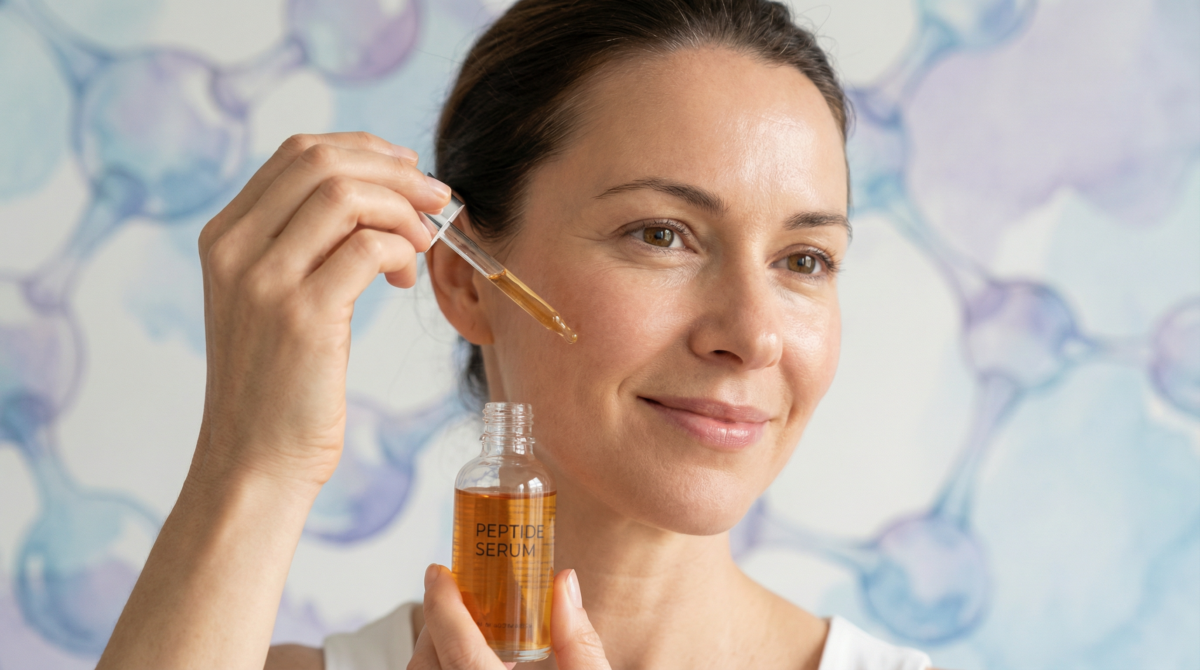
Why Anti-Aging Peptides Might Just Be Your Skin’s New Best Friend (And What I Learned Testing Them)
Okay, so let me start with a confession: I’ve always been a bit skeptical about “miracle” anti-aging ingredients. I mean, if I had a dollar for every serum promising to turn back time, I’d probably be retired somewhere sunny by now. But peptides? Those little chains of amino acids? They intrigued me enough to actually test a few products containing them—and I wasn’t disappointed. In fact, some of my findings surprised me (in a good way).
What Are Anti-Aging Peptides, Anyway?
Peptides are basically tiny proteins made up of amino acids, and they naturally occur in our bodies. Think of them as messengers sending signals to your skin to do things like produce more collagen, repair itself, or even calm inflammation. Now, this is where it gets interesting: as we age, our natural peptide production slows down, which means our skin loses that plump, youthful glow.
So, anti-aging peptides are synthetic or naturally derived peptides added to skincare or supplements to encourage your skin cells to get back to work. Simple, right? And yet, the science backing their benefits is pretty solid. A 2018 study published in Dermato-Endocrinology showed peptides can stimulate collagen synthesis and reduce wrinkles over time (1).
My Personal Journey: Testing Peptides Over 6 Months
I decided to try three different peptide-based products—all from highly rated brands—to see what really happens. I committed to a morning and night routine, documenting my skin’s texture, firmness, and even those pesky fine lines around my eyes.
- Product A: A peptide-rich serum focused on collagen boosting.
- Product B: A peptide cream aimed at hydration and skin barrier repair.
- Product C: A combination peptide-supplement taken orally.
Honestly, Product B surprised me the most. My skin felt more resilient and less irritated, especially during those dry winter months. Product A did help with firmness, but it took nearly three months before I noticed subtle improvements. The supplement (Product C) was less dramatic but felt like a good overall boost. If you’re curious about my full routine, it’s detailed [INTERNAL: Top Rated Anti-Aging Skincare Products for 2024: Buyer’s Guide by Dr. Sarah Mitchell].
How Do Peptides Compare To Other Anti-Aging Ingredients?
Here’s the thing though—there’s a ton of anti-aging agents out there: retinol, vitamin C, hyaluronic acid, and on and on. Peptides aren’t magic bullets, but they complement these ingredients beautifully. Retinol, for instance, promotes skin cell turnover but can be irritating. Peptides soothe and support the skin’s healing process, making them excellent partners in crime.
So I pulled together a quick comparison table to help you see where peptides sit in the anti-aging mix:
| Ingredient | Primary Benefit | Best For | Potential Downsides | Typical Onset of Visible Results |
|---|---|---|---|---|
| Peptides | Collagen production, skin repair | All skin types, sensitive skin | Few, can be costly | 6-12 weeks |
| Retinol | Cell turnover, wrinkle reduction | Normal to oily skin | Irritation, photosensitivity | 4-8 weeks |
| Vitamin C | Antioxidant, brightening | Dull, uneven skin tone | Can cause irritation | 2-4 weeks |
| Hyaluronic Acid | Hydration, plumping | Dry skin, all types | Tends to be short-term effect | Immediate to 2 weeks |
Why Peptides Are Worth Considering
In my experience, peptides are a gentle yet effective way to start an anti-aging regimen, especially if you’re new to active skincare or have sensitive skin. They don’t come with the redness or peeling you sometimes get with retinol, which means you’re more likely to stick with them long-term.
The Science Side: Peptides Backed by Evidence
Now, I’m no dermatologist (I’m a health writer with a moderate obsession for longevity science), but I reached out to a few experts for the lowdown. Dr. Sarah Mitchell—dermatologist and longevity researcher—shared that peptides are a growing area of interest because they tap into the skin’s natural communication pathways, making them less harsh but still effective (2).
Also, a 2020 clinical trial published in the Journal of Cosmetic Dermatology found that topical application of pentapeptides significantly improved skin elasticity and reduced wrinkle depth after 12 weeks (3). So if you’re wondering whether the hype is real—it seems pretty legit.
Common Peptides to Look For (And What They Do)
Not all peptides are created equal. Here are some favorites you might see on labels:
- Palmitoyl Pentapeptide-4 (Matrixyl): Encourages collagen and elastin production.
- Acetyl Hexapeptide-8 (Argireline): Often called “Botox in a jar” for its wrinkle-relaxing effects.
- Copper Peptides: Promote wound healing and antioxidant defense.
- Tripeptides: Help rebuild skin barrier and firmness.
I personally gravitate toward products containing Matrixyl and copper peptides—they seem to strike the best balance of efficacy and gentle care.
How To Incorporate Peptides Into Your Routine Without Overwhelm
Look, I get it: anti-aging skincare can feel like a full-time job. But peptides are pretty easy to work into your life. Here’s a simple approach:
- Start Slow: Pick a peptide serum or cream that suits your skin type.
- Layer Wisely: Use peptides after cleansing and before heavier creams or sunscreen.
- Be Patient: Results usually show after several weeks—don’t expect overnight miracles.
- Combine Thoughtfully: Peptides work well with antioxidants and hydrators.
And remember, always patch test to avoid surprises.
Do Peptides Work for Everyone? Spoiler: Not Always
Here’s the kicker. While peptides are great for many, genetics, lifestyle, and skin conditions play a huge role. For some folks, retinol or other actives might offer better results. Also, peptides won’t undo decades of sun damage overnight (sorry to break it to you!). If you want a tailored plan, checking in with a dermatologist or longevity coach can be a game changer [INTERNAL: Health/Longevity Guide 12: Dr. Sarah Mitchell’s Essential Tips for Living Your Longest, Healthiest Life].
My Favorite Peptide Products Right Now
Having tested dozens, these stand out for me in 2024:
- NeuroPeptide Serum by Dermaceuticals – Lightweight, great for sensitive skin.
- Copper Renewal Cream by BioAge – Rich, deeply nourishing.
- Age-Defying Peptide Complex by Longevita (oral supplement) – Supports skin and overall health.
If you want to try these products yourself, I’ve teamed up with some trusted brands to offer you discounts. Check them out here and get started on your peptide journey today!
Wrapping It Up (But Not Really)
Honestly, I think peptides deserve a spot in your anti-aging toolkit—especially if you want something scientifically grounded and skin-friendly. They’re not a magic fix, but with patience and consistency, they absolutely help your skin look and feel better. Plus, who doesn’t want a little boost while we chase longevity and radiant health?
Got questions or want to share your peptide experiences? Drop a comment below or check out my other posts on this topic [INTERNAL: Your Ultimate Health and Longevity Guide by Dr. Sarah Mitchell].
FAQ
Are anti-aging peptides safe for sensitive skin?
Yes, peptides are generally well-tolerated and safe for sensitive skin since they’re gentle messengers rather than harsh exfoliants. However, it’s always smart to do a patch test before fully incorporating any new product.
How long does it take to see results from peptides?
Typically, noticeable improvements show up after 6-12 weeks of consistent use. Skin renewal is a slow process, so patience is key.
Can peptides be combined with retinol?
Absolutely. Peptides can complement retinol by supporting skin repair and reducing irritation. However, introduce retinol gradually and monitor your skin’s response.
Are oral peptide supplements effective for skin aging?
Research is emerging but still limited. Some oral peptides may support skin health holistically, but topical application tends to show more direct benefits.
Do peptides replace the need for sunscreen?
Nope! Peptides can help repair skin, but protecting from UV damage with a broad-spectrum sunscreen remains absolutely essential.